


When choosing a roller screener for bulk material handling, one of the most important decisions is whether to use a heavy-duty roller screener or a light-duty roller screener. Although both machines separate materials through rotating rollers and gaps, their structural design is built for very different working conditions. A heavy-duty roller screener is designed for large, abrasive, high-impact materials, while a light-duty roller screener is better suited for smaller, cleaner, and less aggressive screening tasks.
The most obvious difference is the main frame structure. Heavy-duty roller screeners usually use thicker steel plates, reinforced beams, and stronger welding structures to withstand continuous impact from coal, ore, limestone, construction waste, or other large materials. In contrast, a light-duty roller screener has a more compact and lighter frame, which reduces manufacturing cost and energy consumption but is not suitable for severe impact or extremely heavy loads.
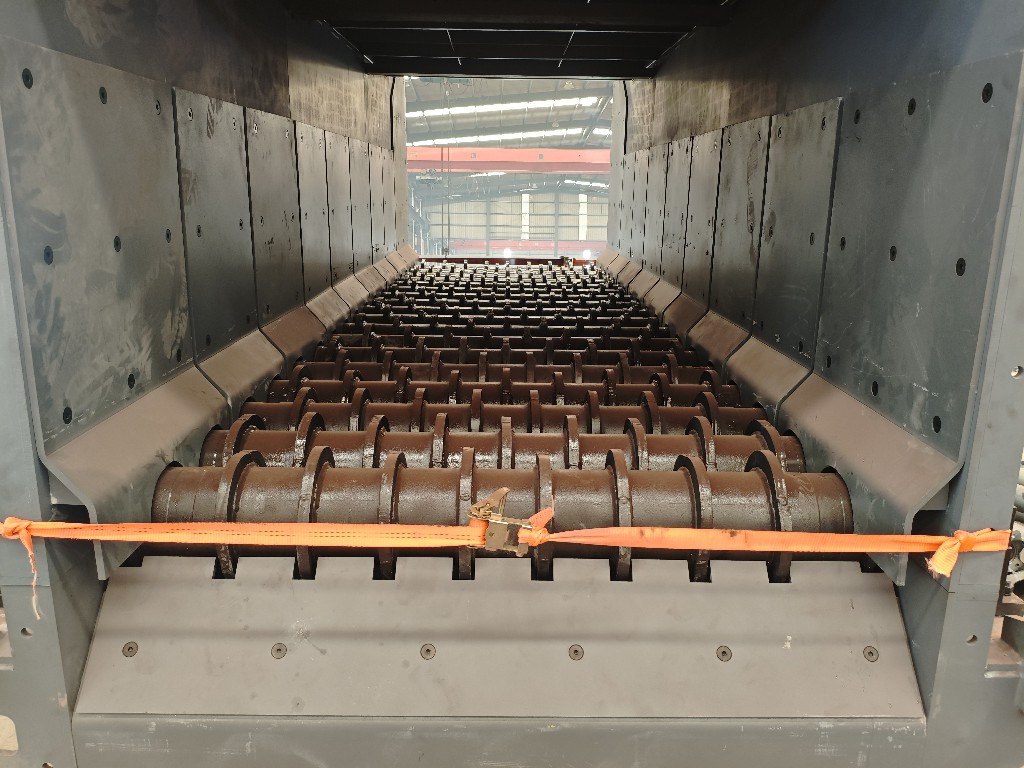
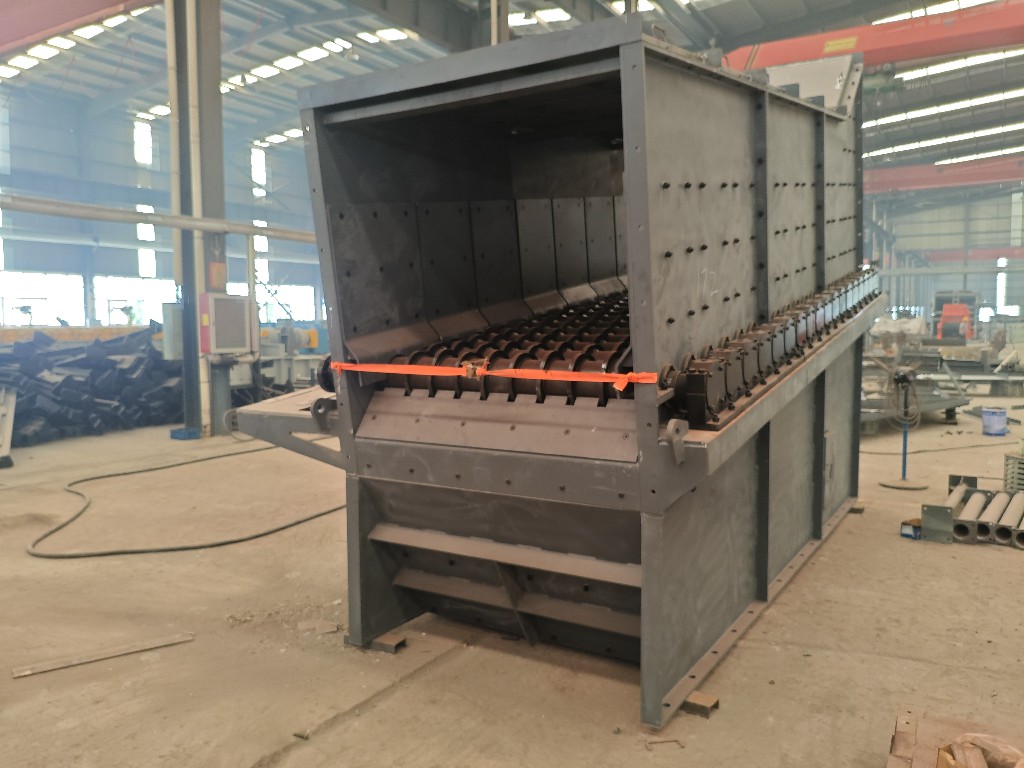
Roller design is another key difference. Heavy-duty roller screeners often feature larger-diameter rollers, wear-resistant surfaces, thicker shafts, and stronger bearings. These parts help the machine handle high torque, uneven feeding, and abrasive materials. Light-duty roller screeners usually use smaller rollers and simpler shaft structures because the material load is lighter and the screening environment is less demanding.
The drive system also reflects the working intensity. A heavy-duty roller screener normally requires a more powerful motor, stronger gearbox, and independent or grouped roller drive design to maintain stable operation under heavy load. A light-duty roller screener may use a simpler drive arrangement, making it easier to install and maintain, but less capable of handling sticky, oversized, or high-density materials.
In short, the difference between heavy-duty and light-duty roller screeners is not only size, but also strength, durability, wear resistance, and application range. If your project involves high-capacity screening, harsh materials, or long-term industrial operation, a heavy-duty roller screener is the safer choice. For light materials, moderate capacity, and cost-sensitive applications, a light-duty roller screener can provide efficient and economical screening performance.